Vehicle Preparation
4×4 Vehicle Preparation Guide for the Himalayas
The nearest competent workshop can be 200km and a 5,000m pass away. Preparation is not paranoia — it is the cheapest insurance on the trip.
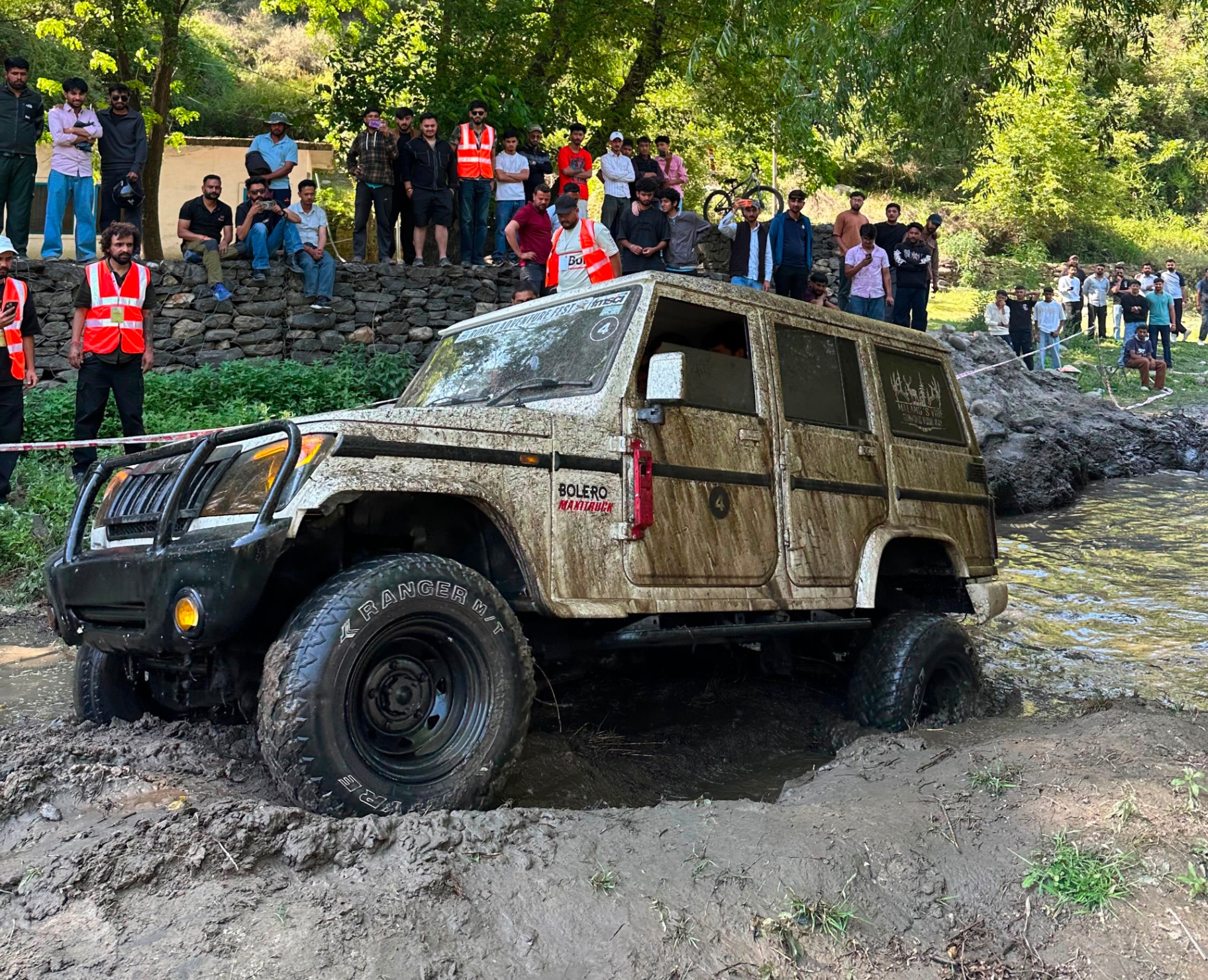
Two weeks out: the service
- Engine oil and filter, air filter, fuel filter.
- Coolant strength and level — high passes push cooling systems hard on long climbs.
- Brake pads, discs and fluid. Descents, not climbs, are what destroy brakes here.
- Suspension bushes, shock absorbers and wheel bearings.
- Clutch condition — slipping clutches fail on 5,000m climbs, not in the city.
- Battery load test and clean terminals.
Tyres
All-terrain tyres with at least 6mm of tread and strong sidewalls. Shale and broken rock cut sidewalls far more often than they wear tread. Carry a full-size spare, a plug kit and a 12V compressor — dropping pressure for sand and raising it for tarmac is routine on a long route.
Recovery kit
| Item | Why | Priority |
|---|---|---|
| Folding shovel | Used more than anything else on this list | Essential |
| Rated tow strap + 2 shackles | Vehicle-to-vehicle recovery | Essential |
| Traction boards x2 | Sand, snow and river banks | Essential |
| Jump pack | Cold starts above 4,000m | Essential |
| Hi-lift or bottle jack + base plate | Soft-ground wheel changes | Recommended |
| Winch | Solo recovery | Optional in convoy |
Spares worth their space
- One litre each of engine oil, brake fluid and coolant.
- Fan belt and a radiator hose.
- Fuses, bulbs, hose clamps, cable ties, gaffer and self-amalgamating tape.
- 20-litre jerry can and a funnel.
- Wheel spanner that actually fits, plus a working jack you have tested.
Altitude and the engine
Naturally aspirated engines lose roughly 10% of power per 1,000m — at Khardung La you have around half your sea-level output. Turbocharged engines cope better but run hotter. Expect to use lower gears, watch temperature gauges on long climbs, and plan on fuel consumption around 20% worse than usual.
Nothing on a Himalayan route breaks quietly. It breaks at the worst corner of the worst day.
Print the self drive preparation checklist and hand it to your workshop rather than describing it over the phone.
Downloads
Frequently asked
- Do I need a winch for Himalayan expeditions?
- Not in a supported convoy. A shovel, rated tow strap, shackles and traction boards handle almost every recovery when a second vehicle is available.
- Are all-terrain tyres necessary?
- Strongly recommended. Highway tyres survive tarmac but sidewall cuts on shale sections in Zanskar, Shinku La and the Spiti gorge are the most common trip-ending failure.
- How much power will my engine lose at altitude?
- Roughly 10% per 1,000m of altitude for a naturally aspirated engine, so about 50% at 5,000m. Turbocharged engines lose less but run hotter on long climbs.
- How far ahead should I service my vehicle?
- Two weeks before departure. That leaves time to drive a few hundred kilometres and catch anything the service disturbed before you are somewhere remote.
Ride with us
Prepared vehicle, supported route
Bring your 4×4 into a convoy with recovery gear, spares and crew who have driven these roads for ten seasons.
Browse expeditionsWritten by
Hello Himalayas Expedition Desk
Route planning & operations, Rohru
Our route planners have run these roads every season since 2015, from Rohru into Spiti, Zanskar and eastern Ladakh. Everything here comes out of the logbook.