Photography
Himalayan Photography Guide: Light, Gear and Cold
Thin air makes light brutal and shadows black. Everything below is about working with that rather than fighting it.
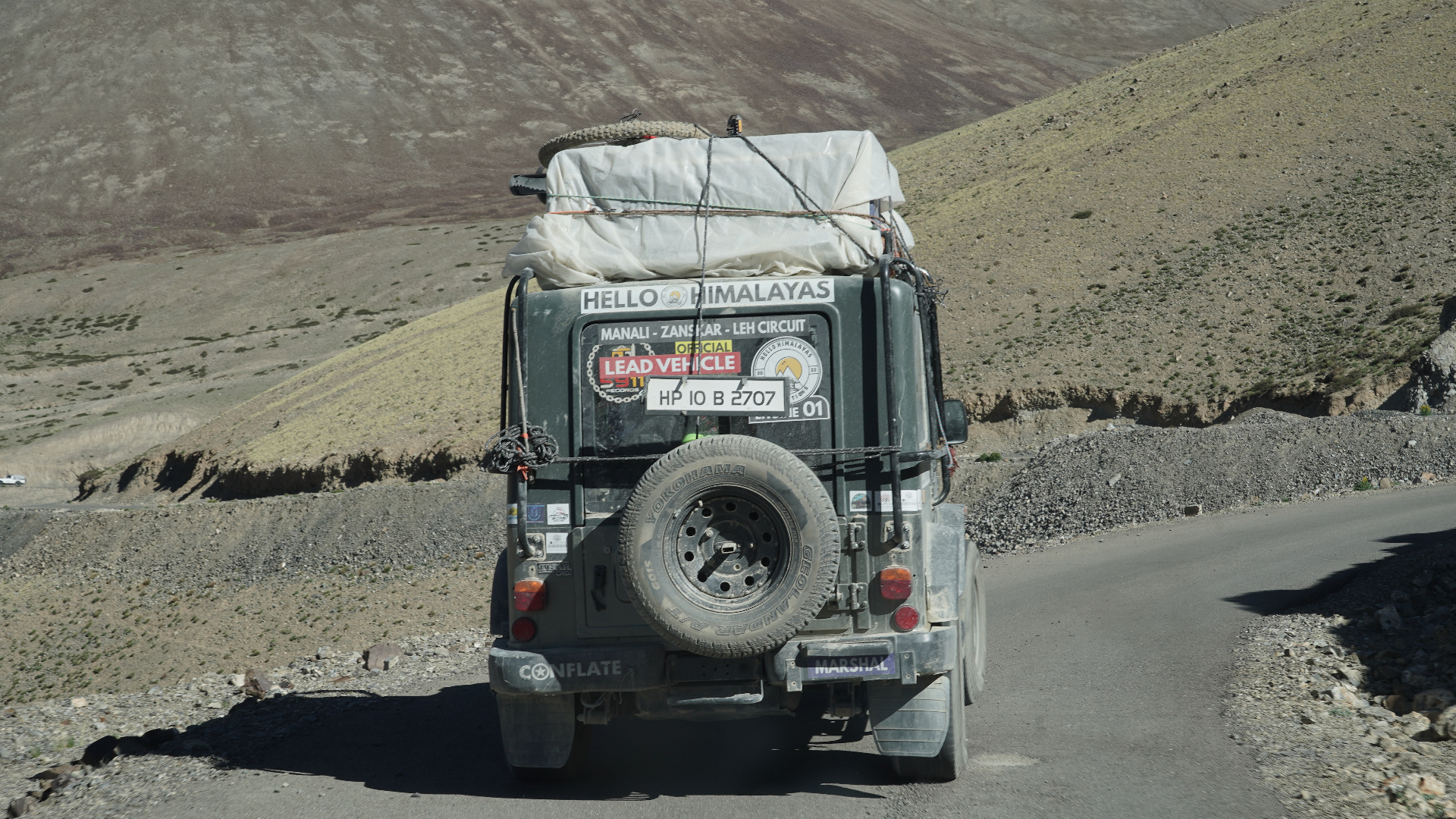
The light problem
At 4,000m there is far less atmosphere to soften sunlight. Midday contrast is extreme, highlights clip fast and shadows go black. Shoot the two hours after sunrise and before sunset, expose for the highlights, and use the middle of the day for interiors, villages and portraits in open shade.
Gear that earns its space
- Two lenses, not five: a 24–70 equivalent and a 70–200 for compression on ridgelines.
- A circular polariser — the single most useful filter at altitude.
- A light tripod for night skies; a heavy one stays in the vehicle.
- Blower and microfibre cloths. Spiti dust gets into everything.
- Twice the batteries you think you need.
Cold and batteries
Lithium cells lose a large share of their capacity below freezing. Keep spares in an inside pocket against your body and rotate them. A cold battery that reads empty will often recover once warmed. When coming indoors, seal the camera in a bag before entering a heated room so condensation forms on the bag, not the sensor.
Night skies at Hanle and Spiti
- 01Fast wide lens at f/2.8 or wider, ISO 3200–6400, 15–20 seconds.
- 02Focus manually on a bright star using live view magnification.
- 03Shoot RAW — the dynamic range matters more than anything else here.
- 04At Hanle, use red light only. It is a dark sky reserve with an observatory.
The best frame on most expeditions is somebody's face lit by a bukhari, not the mountain outside.
Photographing people
Ask, always. Learn one greeting in the local language — 'julley' in Ladakh goes a long way. Show people the frame afterwards. Never photograph inside a monastery hall without permission, and never photograph military installations or checkposts anywhere near the border.
Dust and cold both shorten gear life. The packing lists in our travel tips guide cover the protective kit worth carrying.
Frequently asked
- What camera settings work best for Himalayan landscapes?
- Shoot RAW, expose for the highlights with around a third of a stop of negative compensation, use f/8 to f/11 for depth, and rely on a polariser to control glare off snow and water.
- How do I keep camera batteries alive in the cold?
- Carry spares in an inside pocket against your body and rotate them through the camera. Batteries that read empty in the cold usually recover most of their charge once warmed.
- Can I use a drone in Ladakh and Spiti?
- Drone use is restricted near borders, military areas and many monasteries, and Ladakh has additional local rules. Assume no unless you have written permission for that specific location.
- Is Hanle good for astrophotography?
- It is among the best accessible dark sky sites in India, with an observatory and enforced light discipline. Use red torches only and avoid vehicle headlights after dusk.
Ride with us
Shoot the plateaus
Hot springs, wide plateaus and some of the darkest night skies in the country across six days in eastern Ladakh.
See the Chumathang ExpeditionWritten by
Hello Himalayas Expedition Desk
Route planning & operations, Rohru
Our route planners have run these roads every season since 2015, from Rohru into Spiti, Zanskar and eastern Ladakh. Everything here comes out of the logbook.