Gear
The Himalayan 4×4 Packing List We Actually Use
Ten seasons of loading and unloading roof boxes has produced a short list of things that always earn their space — and a longer list of things that never do.
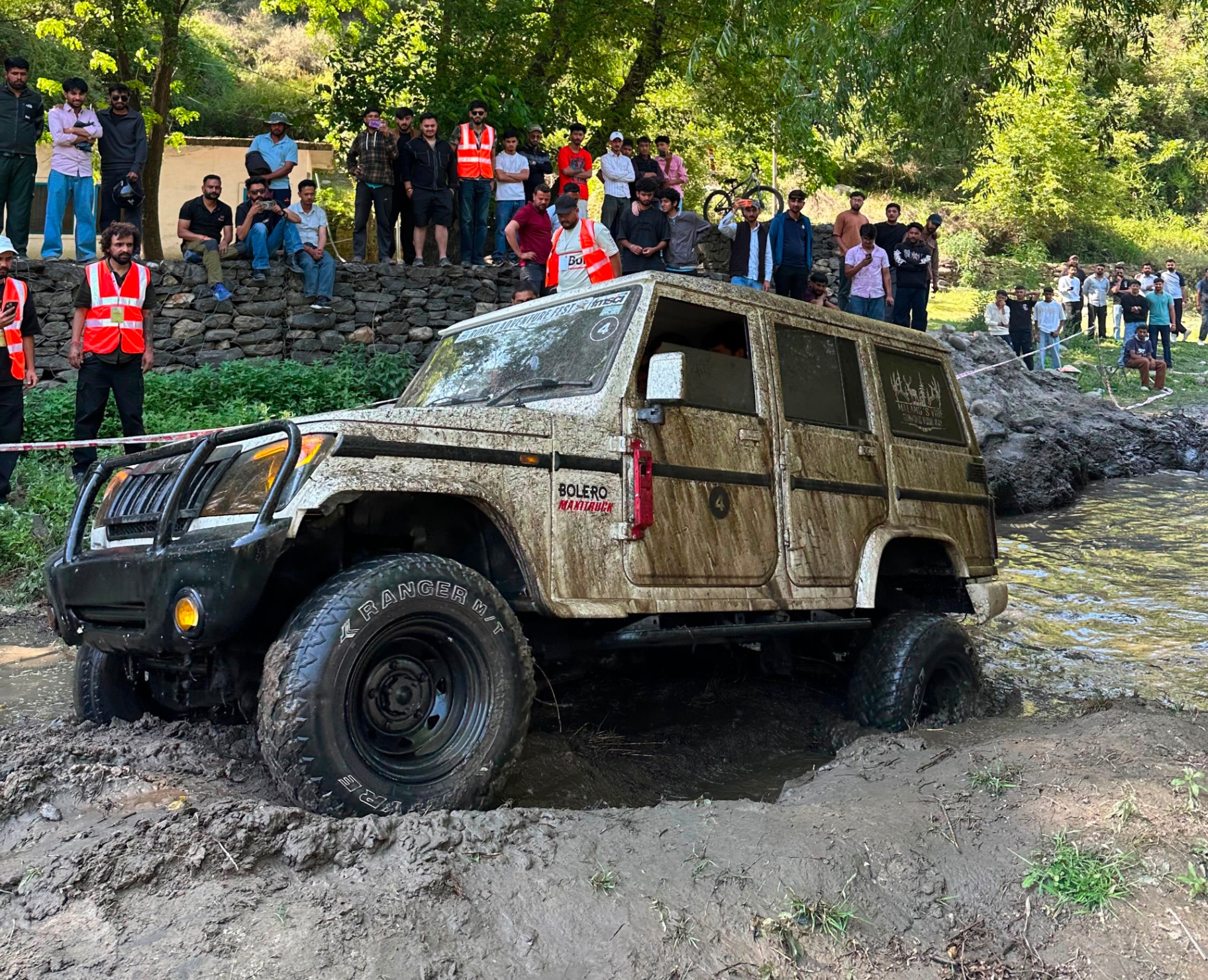
The Himalayas punish two things: cotton and optimism. Everything below assumes you will have one genuinely cold night, one dusty day and one moment where you are glad you carried something you hoped not to need.
Clothing, layered
- Merino or synthetic base layers — two sets, never cotton.
- Fleece or light down mid-layer.
- Windproof and waterproof shell. Wind at 4,500m does more damage than temperature.
- Insulated jacket rated to −10°C in summer, −25°C in winter.
- Gloves in two weights, a buff, and a warm hat that fits under a hood.
- Sturdy closed shoes for river crossings and camp slippers for evenings.
Sun and altitude
- Category 3 or 4 sunglasses. Snow blindness is real and avoidable.
- SPF 50 and a lip balm with SPF — reapplied, not just carried.
- A one-litre insulated bottle. Plastic bottles freeze and split.
- Electrolyte sachets. Cheap, light and the single best altitude aid on this list.
Vehicle kit for self drive
- 01Full-size spare, puncture kit and a 12V compressor.
- 02Tow strap with rated shackles, folding shovel, traction boards.
- 03Jump pack, spare fuses, hose clamps, cable ties, gaffer tape.
- 04Jerry can, funnel and engine oil to top up.
- 05Headlamp with fresh batteries, kept in the cabin not the boot.
Carry the shovel. In ten seasons it has been used more often than the winch.
Documents
- Original driving licence, RC, insurance and PUC for self drive.
- Photo ID copies — inner line permits in Ladakh need them.
- Passport-size photographs for permits.
- Cash. Card acceptance disappears past Reckong Peo and outside Leh.
Personal medical kit
Your regular medication for the full trip plus three spare days, painkillers, an anti-nausea tablet, oral rehydration salts, a broad-spectrum antibiotic prescribed by your own doctor, blister plasters and any altitude medication you have discussed in advance.
What to leave behind
Hard-shell suitcases, jeans, a second camera body you will not use, and anything you would be upset to see coated in fine Spiti dust. Soft duffels pack better in a convoy vehicle and survive roof boxes.
Frequently asked
- How much luggage can I bring on a seat-in-SUV expedition?
- One soft duffel of around 15kg plus a day pack per guest. Soft bags are essential — hard suitcases do not fit efficiently with three guests per vehicle.
- Do I need special tyres for Himalayan expeditions?
- All-terrain tyres with strong sidewalls are strongly recommended for self drive. Highway tyres survive tarmac but are vulnerable on the shale sections of Zanskar and Shinku La.
- Should I carry a sleeping bag?
- Homestays and hotels provide bedding on all our routes, but a lightweight liner adds warmth and hygiene on winter trips and weighs almost nothing.
Written by
Hello Himalayas Expedition Desk
Route planning & operations, Rohru
The crew that scouts, drives and runs every Hello Himalayas convoy across Spiti, Ladakh and Zanskar. Everything here comes from seasons spent on the road, not from a desk.